 01

Service guide
Paint correction and car polishing
Paint correction uses controlled abrasion to reduce fine scratches, wash marks and dullness in a painted surface. It does not replace missing clear coat, fill stone chips or substitute for repainting. The right scope depends on an inspection of your vehicle, rather than a universal number of polishing stages.
Find studios in LithuaniaCompare studios offering this service
Check the scope, examples of similar work and collection arrangements with the studio. A booking request starts a conversation; the studio must confirm the service and time.
Paint correctionRefine search
DETAILINGDESK STUDIOS
28 studios
Directory order
01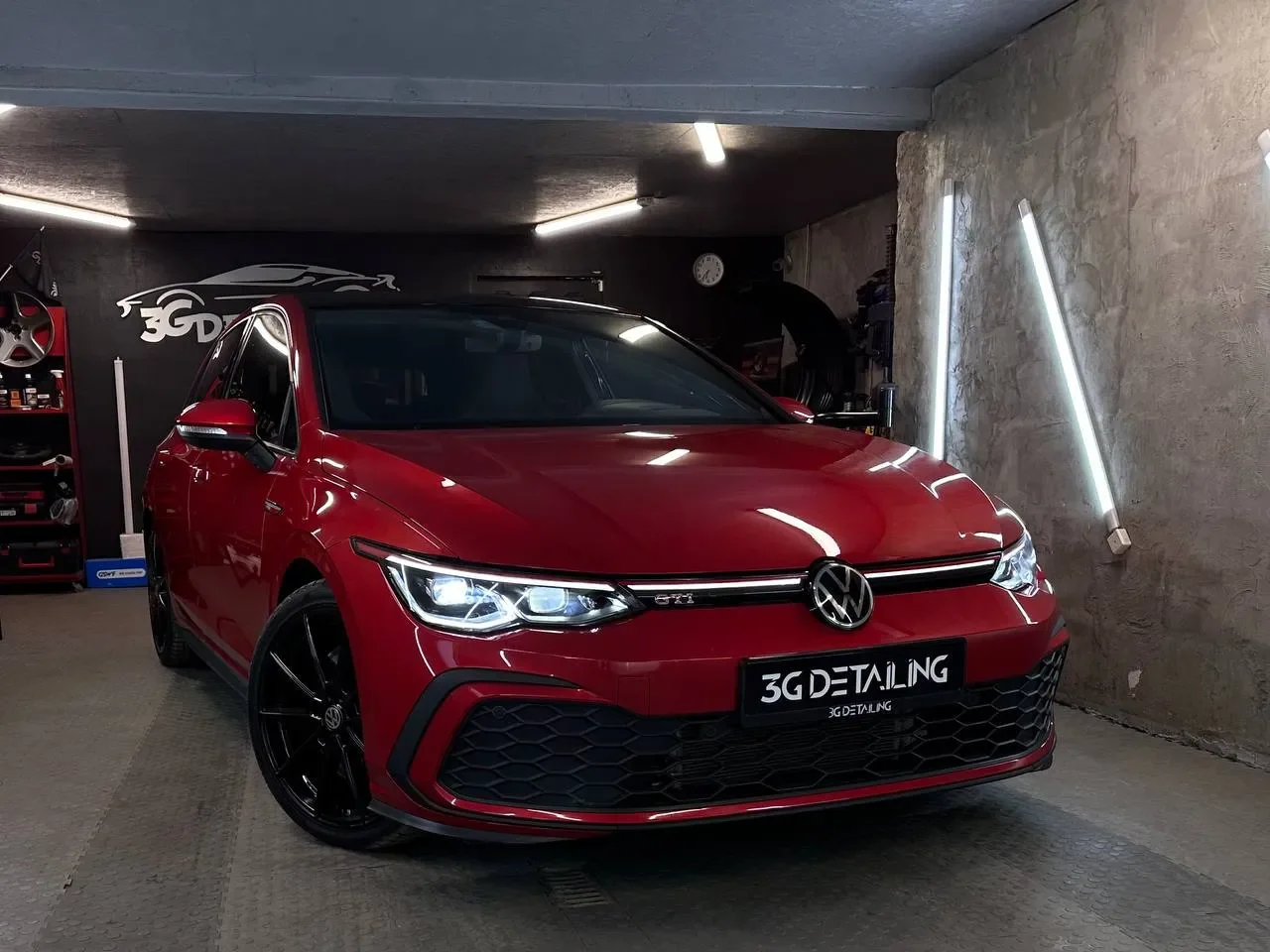 02
Public directory listingDemo profile
3G Detailing
Vilnius · Kelininkų g. 3G, Nemėžis, Vilnius
Reviews not provided
Paint correctionInterior deep cleaning
 03
Public directory listingDemo profile
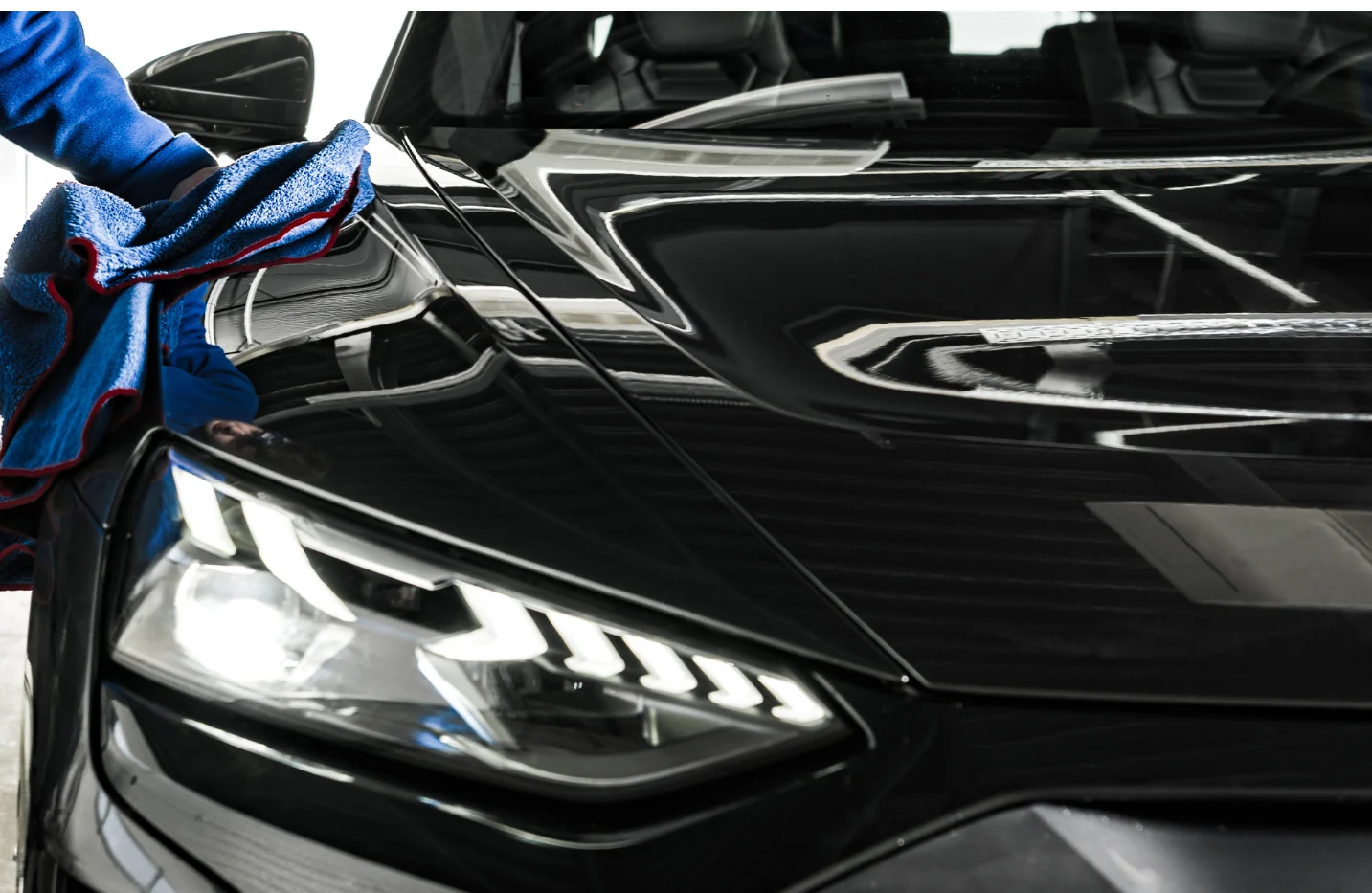
A.D Detailing - automobilių poliravimas
Alytus · Likiškėlių g. 112-75, Alytus
Reviews not provided
Paint correctionCeramic coating
 04
Public directory listingDemo profile
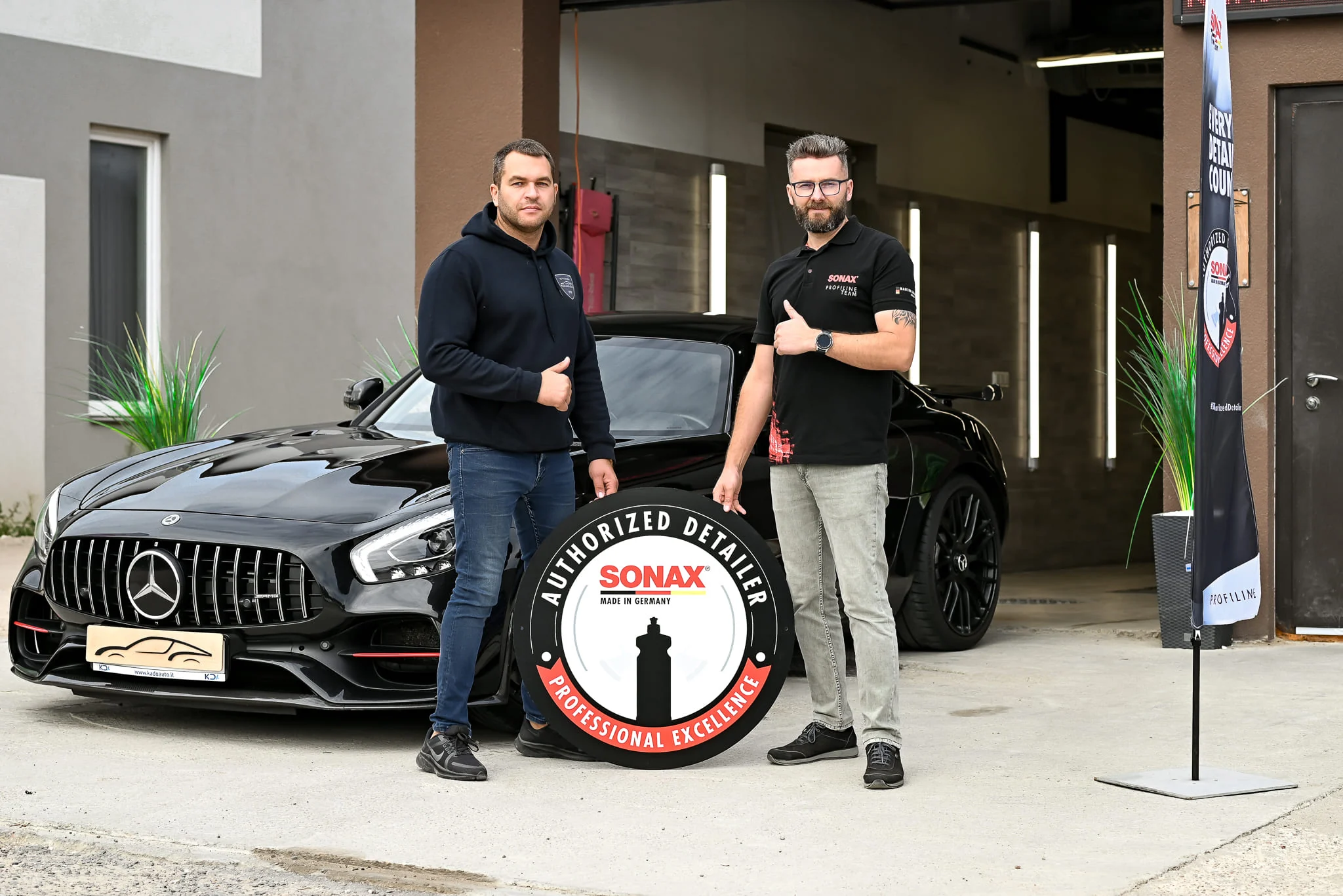
Auto Švara Detailing 999
Vilnius · Varnės g. 2, Vilnius
Reviews not provided
Paint correctionInterior deep cleaning
 05
Public directory listingDemo profile
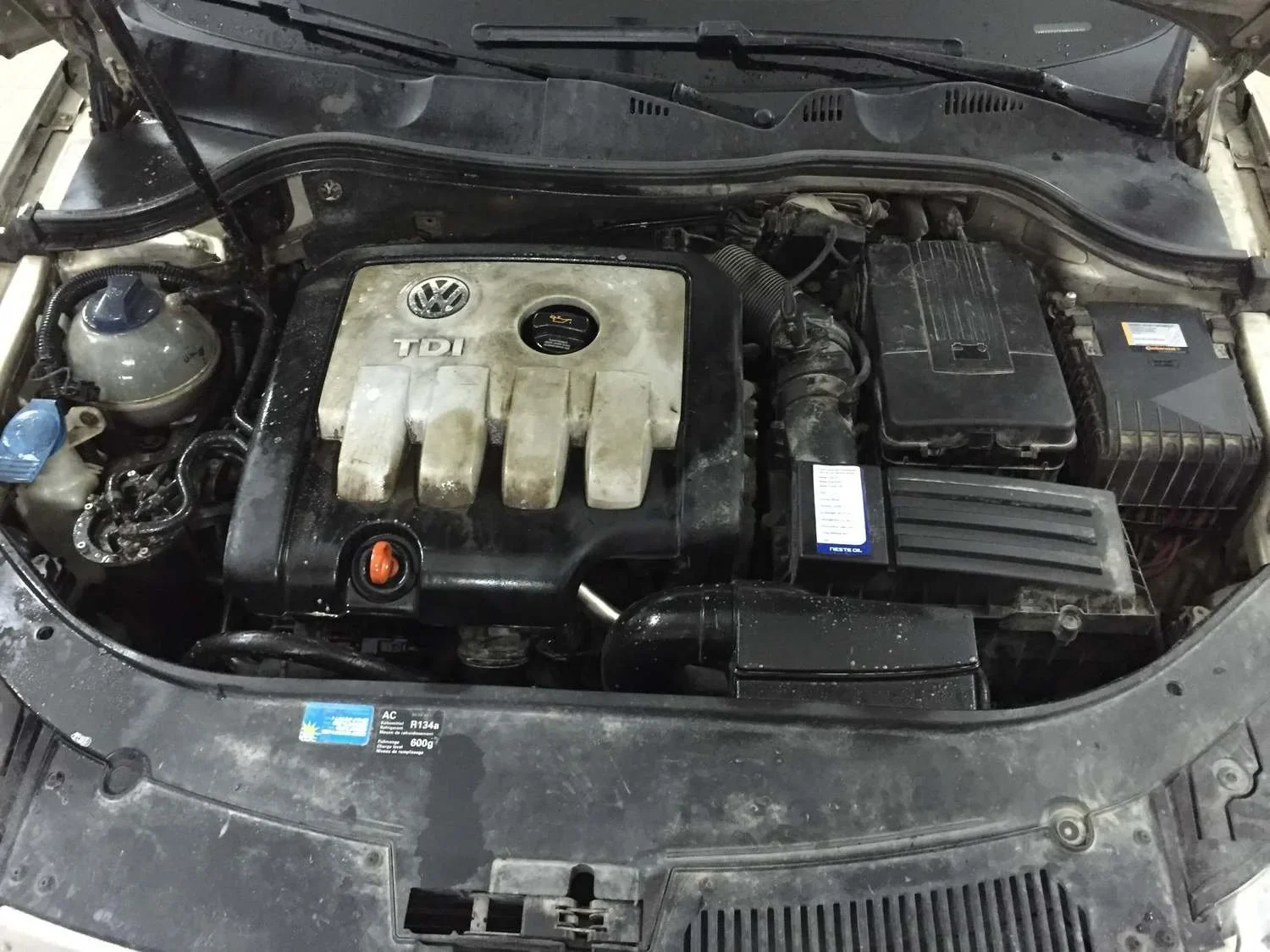
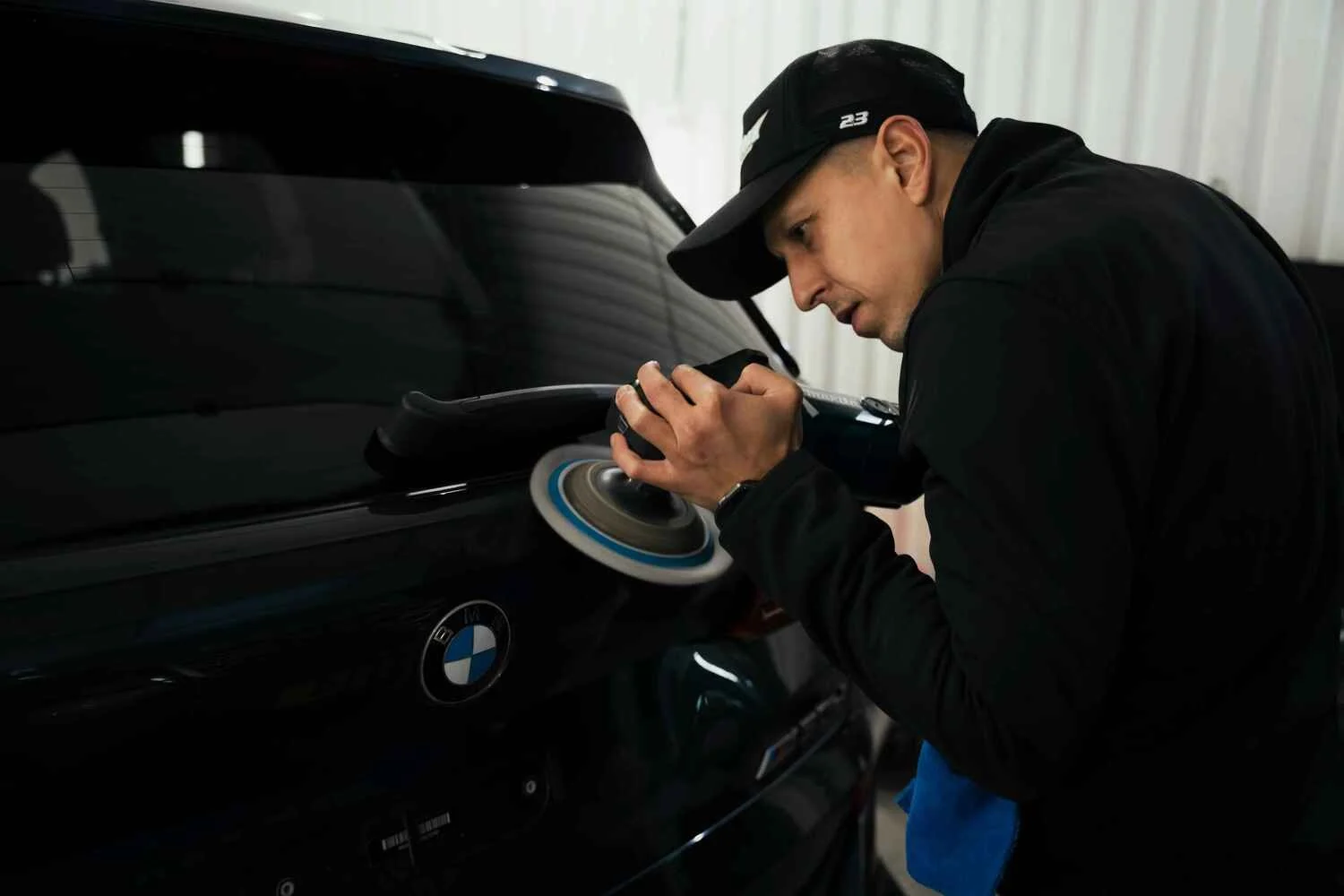
AutoBondas
Telšiai · Kęstučio g. 20C, Telšiai
Reviews not provided
Car washingPaint correctionPaint protection
 06
Public directory listingDemo profile
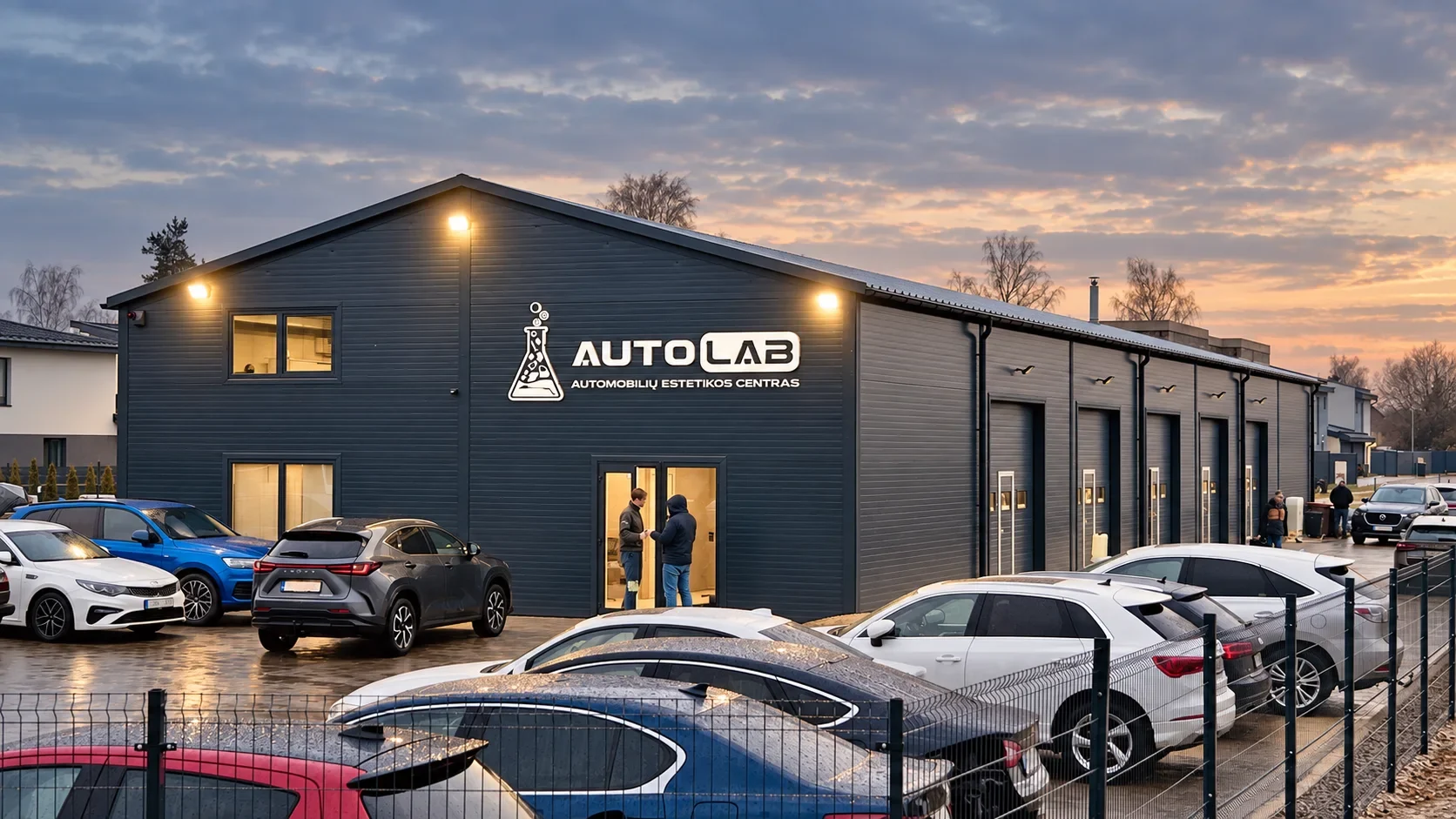
AutoEstetika
Kaunas · Drobės g. 26, Kaunas LT-45223
Reviews not provided
Paint correctionCeramic coating
 07
Public directory listingDemo profile
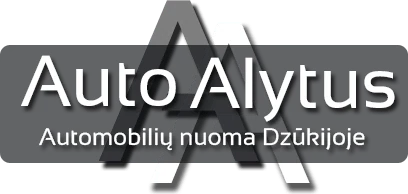
AutoLab Vilnius
Vilnius · Ožiarūčių g. 16, Avižieniai, Vilnius
Reviews not provided
Paint correctionCeramic coatingInterior deep cleaning
 08
Public directory listingDemo profile
Autoalytus
Alytus · A. Jonyno g. 12B, 62373 Alytus
Reviews not provided
Paint correction
 09
Public directory listingDemo profile
Autoservisas Česma
Alytus · Kepyklos g. 15A, Alytus
Reviews not provided
Paint correction
 10
Public directory listingDemo profile
Binomas
Marijampolė · Klaipėdos g. 1B, 68266 Marijampolė
Reviews not provided
Car washingPaint correction
 11
Public directory listingDemo profile
CBK Detailing
Kaunas · Žemaičių pl. 65A, Kaunas
Reviews not provided
Paint correctionCeramic coating
 12
Public directory listingDemo profile
Cleenz
Vilnius · Turgelių g. 1, Vilnius
Reviews not provided
Paint correctionCeramic coatingPaint protection film (PPF)
 13
Public directory listingDemo profile
DESIGNOLT AutoPro Studija
Kaunas · Veiverių g. 134, Kaunas
Reviews not provided
Paint correctionCeramic coatingInterior deep cleaning
 14
Public directory listingDemo profile
DS Lab
Panevėžys · J. Basanavičiaus g. 52A-107, LT-36207 Panevėžys
Reviews not provided
Paint correctionInterior deep cleaning
Map location not providedView studio
 15
Public directory listingDemo profile
Detailing Garage
Vilnius · Geologų g. 11, Vilnius 02190
Reviews not provided
Paint correctionInterior deep cleaning
 16
Public directory listingDemo profile
Detailing Spot
Vilnius · Platiniškių g. 6A, Vilnius, 06295
Reviews not provided
Paint correctionInterior deep cleaning
 17
Public directory listingDemo profile
EDIS Automobilių Poliravimas Kaune
Kaunas · Kuršių g. 7A, Kaunas 48107
Reviews not provided
Paint correctionPaint protectionCeramic coating
 18
Public directory listingDemo profile
GState Auto Detailing
Vilnius · Dariaus ir Girėno g. 155-1, LT-02199 Vilnius
Reviews not provided
Paint correction
 19
Public directory listingDemo profile
Itadori Detailing
Kaunas · Panerių g. 51, Kaunas
Reviews not provided
Paint correction
 20
Public directory listingDemo profile
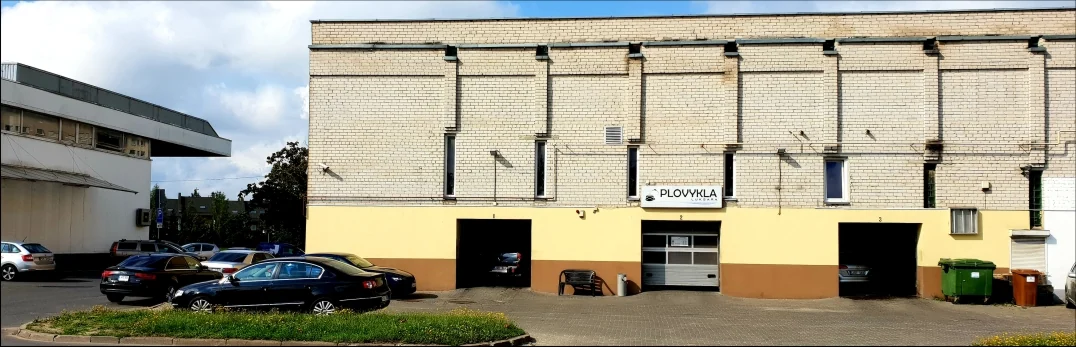
Luksara Plovykla
Vilnius · Ukmergės g. 315C, Vilnius
Reviews not provided
Car washingPaint correctionCeramic coating
 21
Public directory listingDemo profile
MK AUTO STYLE
Kaunas · Islandijos pl. 15, Kaunas
Reviews not provided
Window tintingPaint correctionCeramic coating
 22
Public directory listingDemo profile
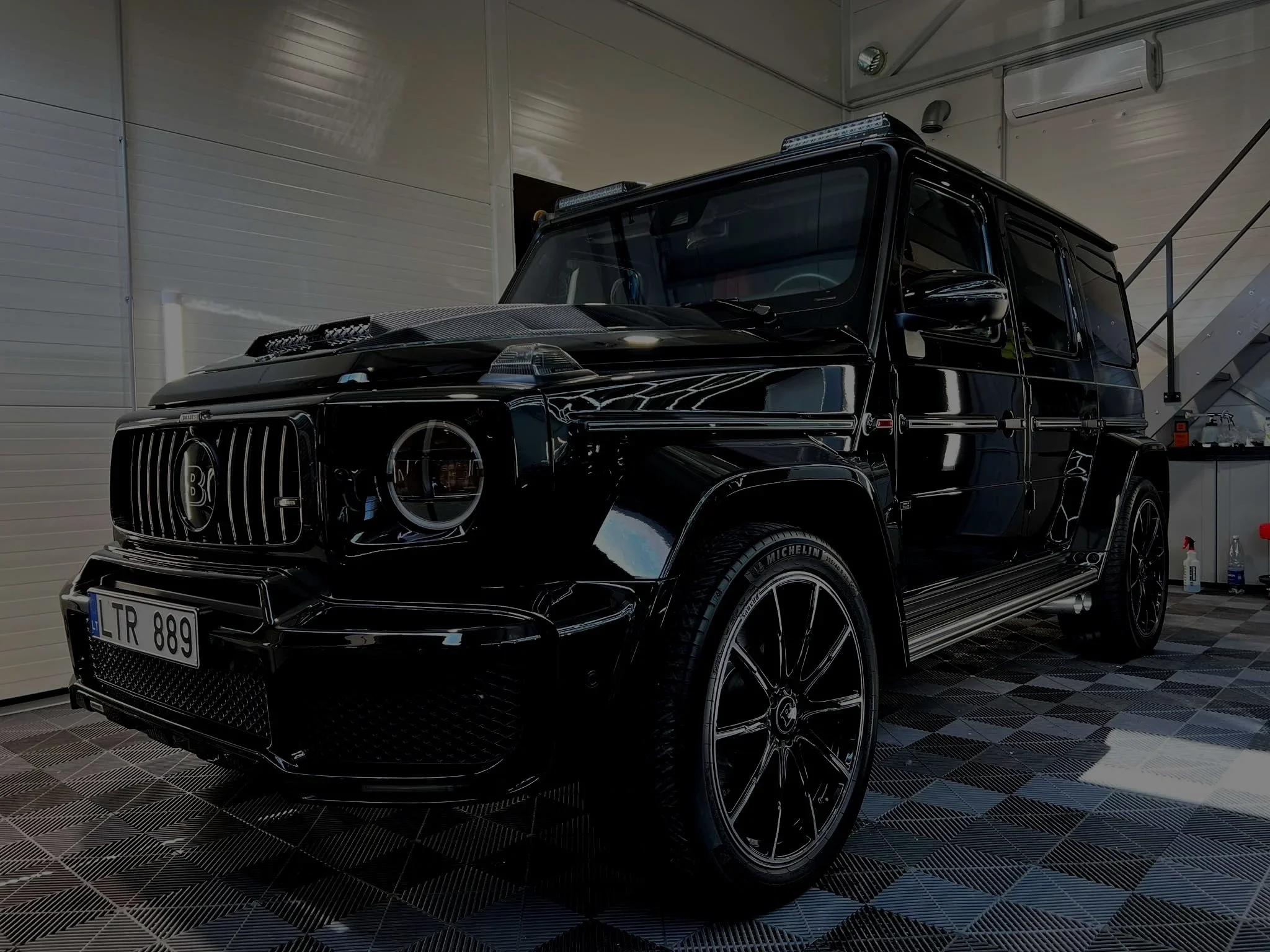
Mile Detailing
Šiauliai · Tilžės g. 68, Šiauliai
Reviews not provided
Car washingPaint correctionCeramic coating

No photo provided
Public directory listing
Poliravimas Cheminis Salono Valymas Panevėžys
Panevėžys · Pušaloto 213
Reviews not provided
Paint correctionCeramic coatingInterior deep cleaning
 24
Public directory listingDemo profile
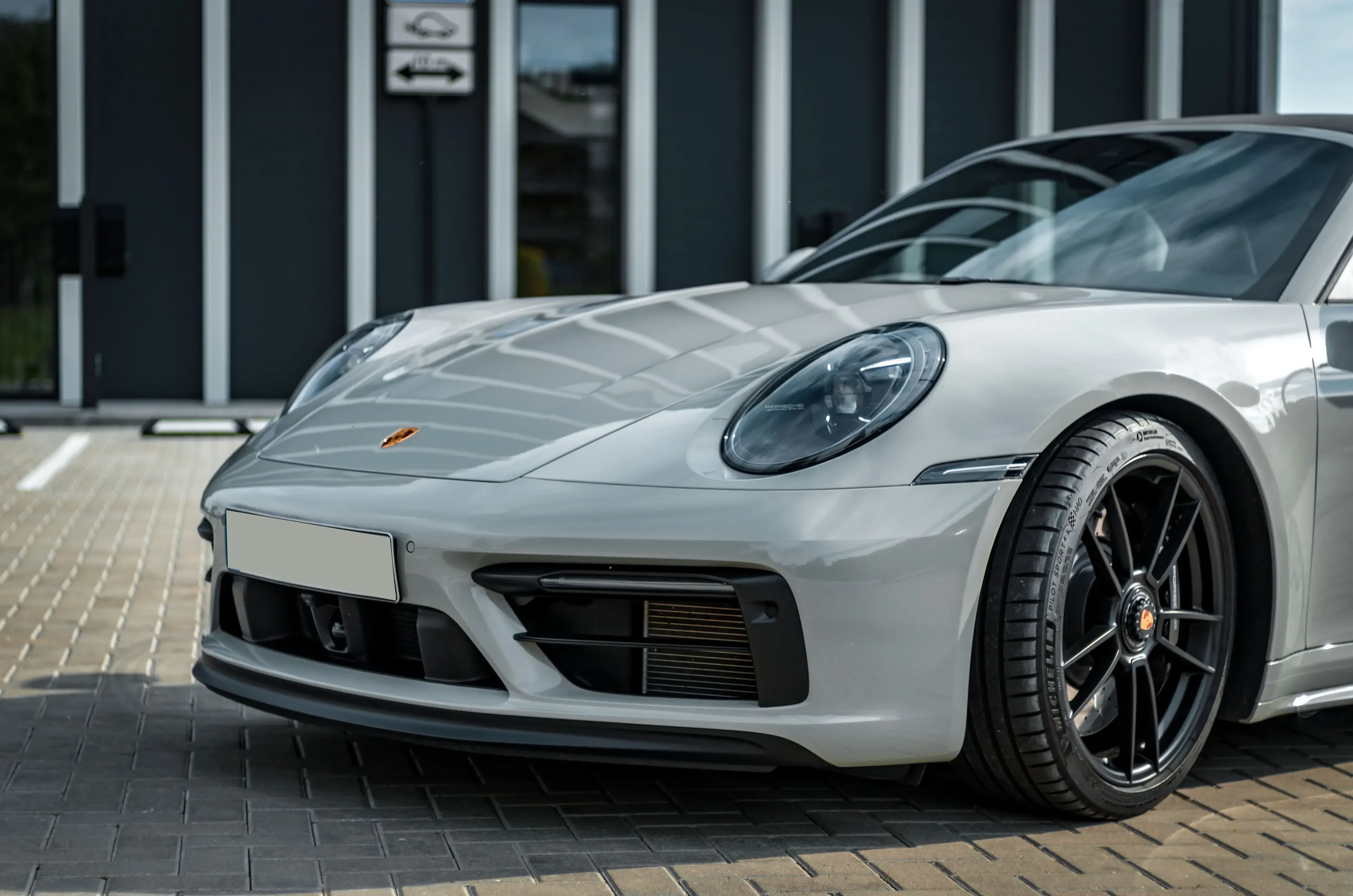
Premium Auto Spa
Vilnius · Rodūnios kl. 5, Vilnius, 02188
Reviews not provided
Car washingPaint correction
Showing 24 of 28 studios
Confirm the scope of work, price and appointment time with your chosen studio.
When polishing helps, and when another treatment comes first
Consider polishing when fine swirls or uneven gloss remain after proper cleaning. Bonded contamination may need dedicated surface cleaning before any correction is considered. Peeling clear coat, corrosion and damage through the paint are repair issues. Matte finishes, wrapped panels and previously repaired paint need separate assessment; a routine gloss-paint correction should not automatically be applied to them.
One stage or several stages?
A one-stage polish is often chosen for an overall improvement while accepting some remaining defects. Multi-stage correction separates stronger defect reduction from final refining. More stages alone do not establish a better or safer outcome. Ask whether a test area will be used, what improvement is realistic and which marks should remain to preserve the clear coat. Compare the agreed result and scope, not just package names.
What to tell the studio before a quote
Mention repainted panels, previous polishing, coatings and protective film. Send an overall view and close-ups of the problem areas in different lighting, while allowing the studio to make its final assessment in person. Agree which panels are included, how the surface will be prepared and whether protection follows correction. Price and timing should reflect that scope and the vehicle’s condition; photographs cannot establish every paint risk.
Polishing, ceramic coating and PPF serve different purposes
Polishing changes the appearance of the surface by reducing defects. A ceramic coating provides surface properties that can make ongoing care easier; it does not remove scratches. PPF is a physical film selected for a different protection need. Not every vehicle needs all three. Start with the finish you want, the condition of the clear coat and how the vehicle is used, then discuss an appropriate combination.
Inspecting the result and caring for it
Review the finish with the studio under both directional and diffuse lighting. Confirm any defects deliberately left in place and the protection applied. Gentle washing and drying, with clean tools, help preserve the appearance. If protection follows the correction, follow that specific product’s instructions for the first wash and subsequent care. A corrected car can still acquire new wash marks when the washing process is unsuitable.
Frequently asked questions
Will polishing remove every scratch?
No. Removing a deep scratch completely may require sacrificing too much clear coat. The studio should assess safe correction limits after inspecting the paint.
Does a new car need polishing?
Not automatically. Assess its condition and the finish you want. A new car may have transport or wash marks, but being new does not justify intensive correction by itself.
Does polishing provide lasting protection?
Polishing itself is not a protective coating. Discuss separately whether wax, another protective product or ceramic coating is appropriate and what maintenance it needs.
How should I compare two quotes?
Compare inspection, preparation, included panels, accepted remaining defects, final protection and care instructions. An identical stage count does not establish an identical service scope.
Further reading: Meguiar’s surface care questions