 01
Public directory listingDemo profile
A.D Detailing - automobilių poliravimas
Alytus · Likiškėlių g. 112-75, Alytus
Reviews not provided
Paint correctionCeramic coating

Service guide
A ceramic coating is a protective product applied to a prepared surface that can make washing and contamination removal easier. It does not make paint scratch-proof, stop stone impacts or replace regular maintenance. The outcome depends on preparation, the chosen product and how the vehicle is used and cared for.
Find studios in LithuaniaCheck the scope, examples of similar work and collection arrangements with the studio. A booking request starts a conversation; the studio must confirm the service and time.
DETAILINGDESK STUDIOS
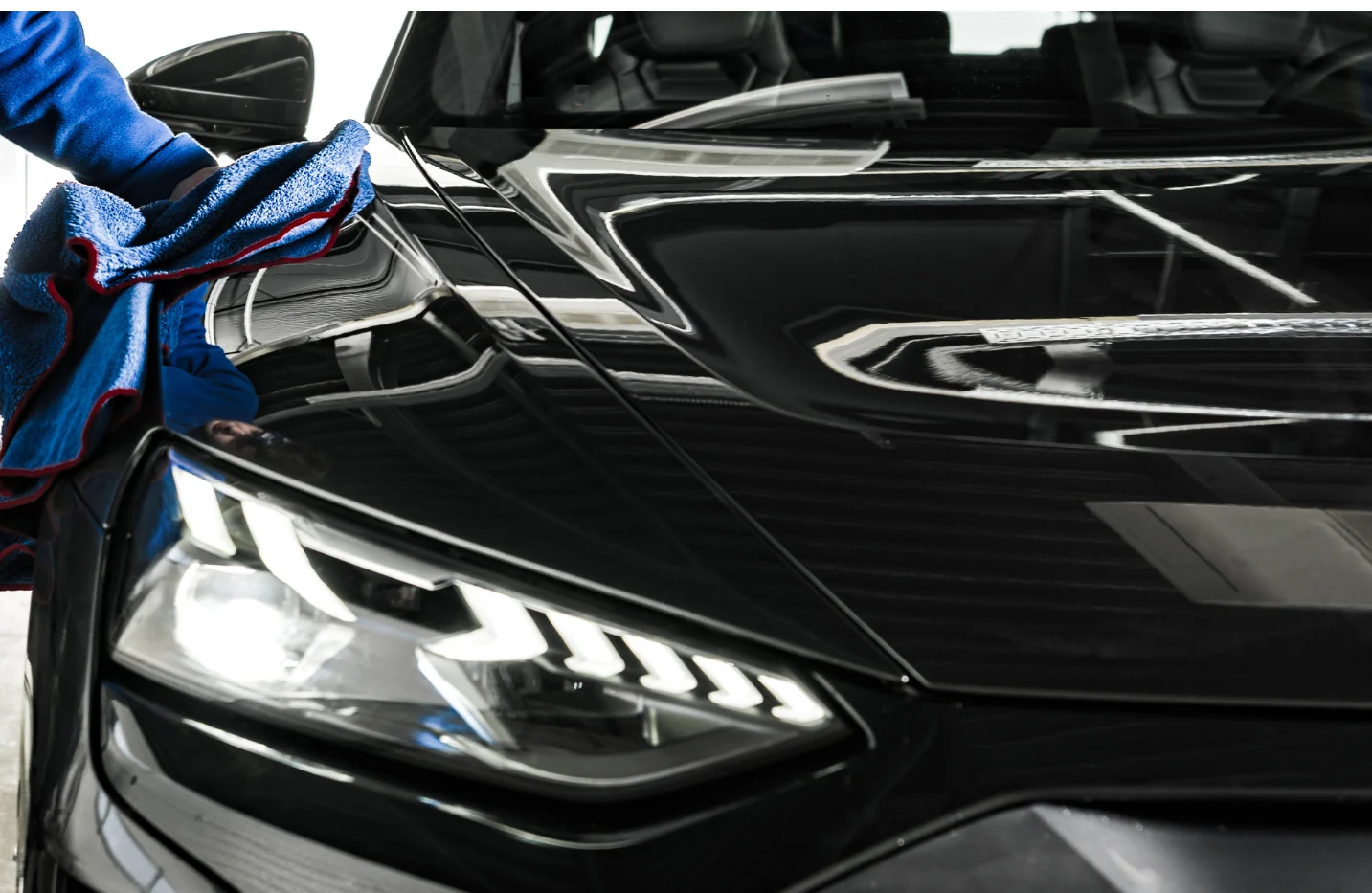
01Alytus · Likiškėlių g. 112-75, Alytus
Reviews not provided
 02
Telšiai · Kęstučio g. 20C, Telšiai
Reviews not provided
 03
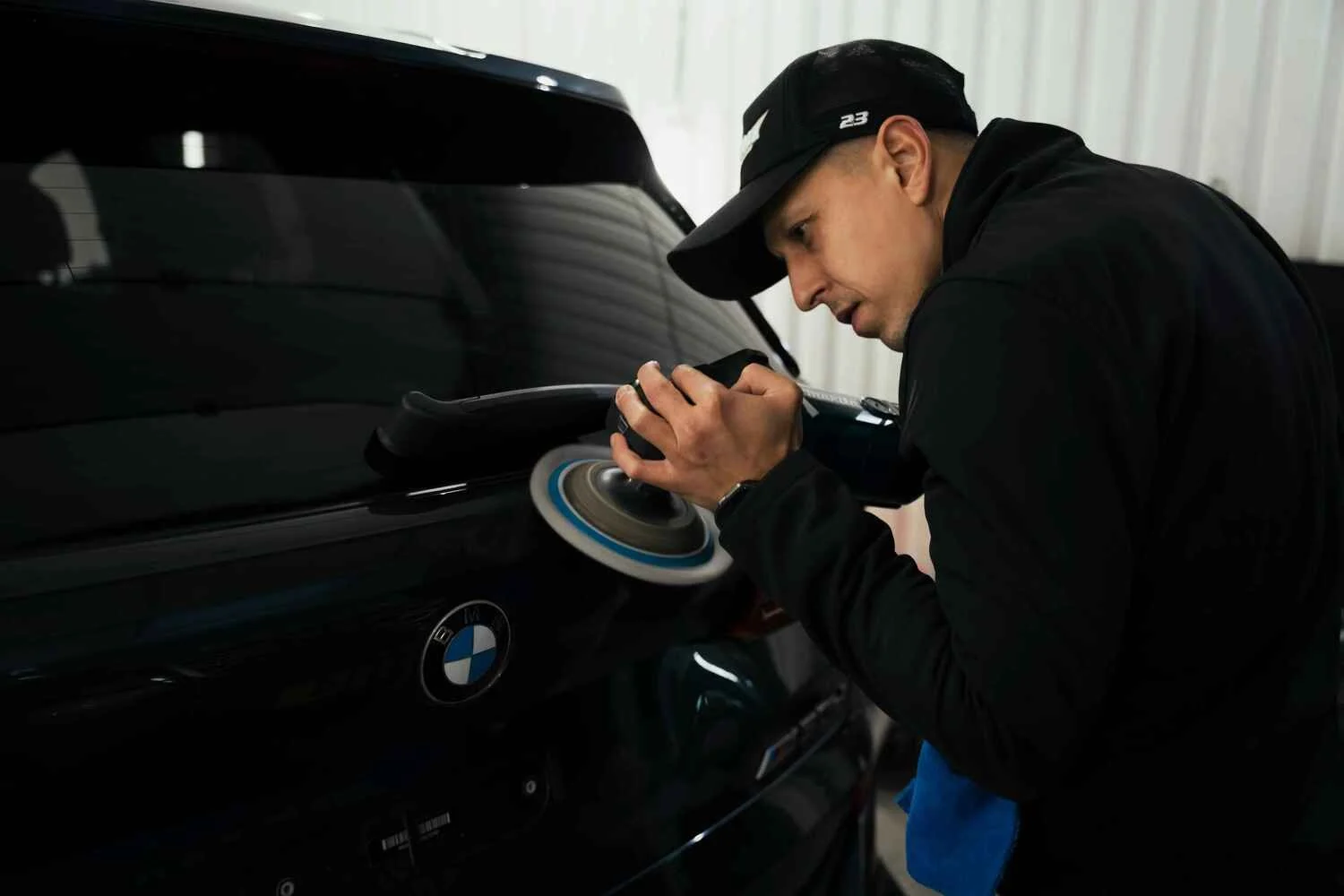
Kaunas · Drobės g. 26, Kaunas LT-45223
Reviews not provided
 04
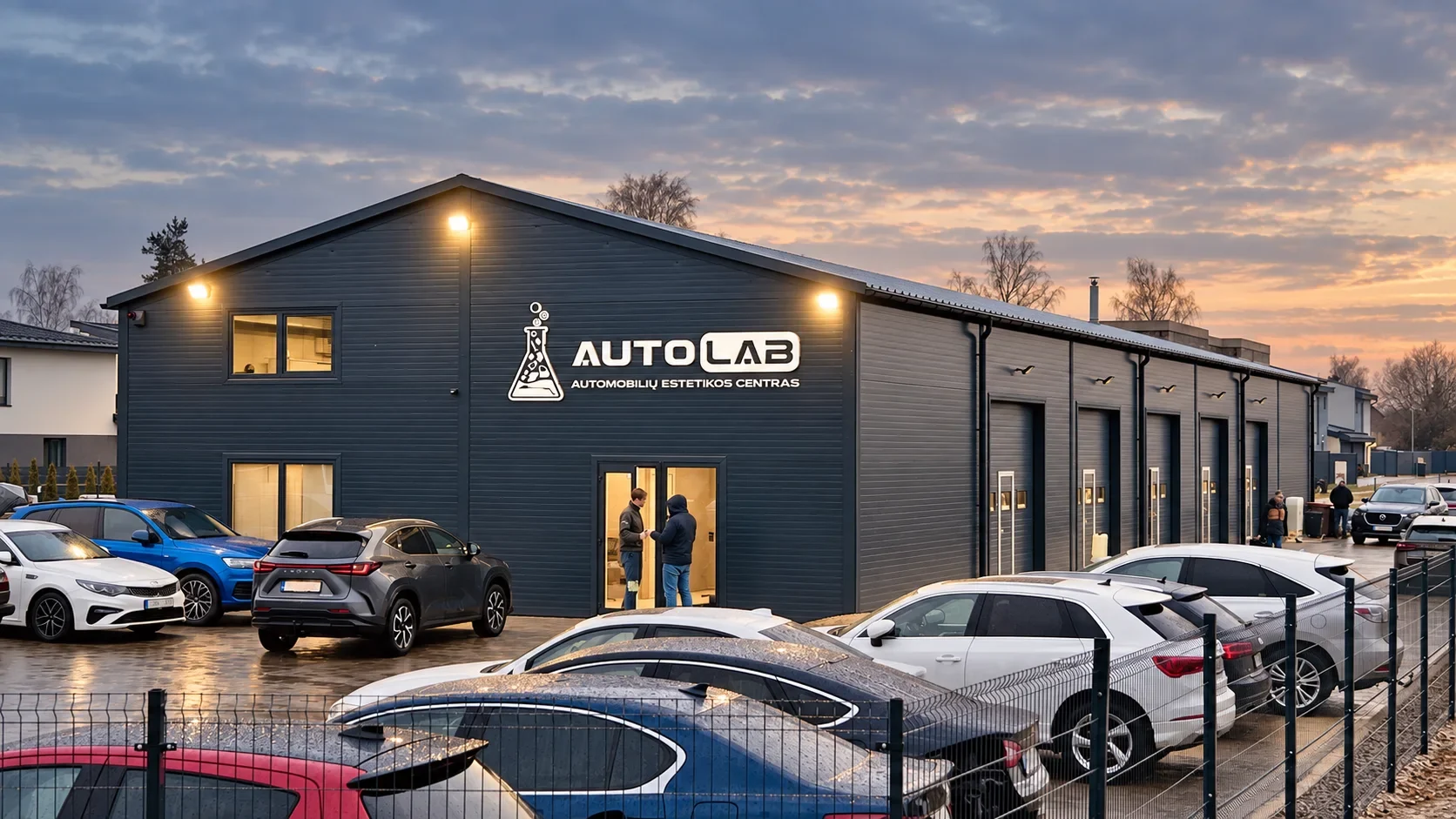
Vilnius · Ožiarūčių g. 16, Avižieniai, Vilnius
Reviews not provided
 05
Kaunas · Žemaičių pl. 65A, Kaunas
Reviews not provided
 06
Vilnius · Turgelių g. 1, Vilnius
Reviews not provided
 07
Kaunas · Veiverių g. 134, Kaunas
Reviews not provided
 08
Kaunas · Kuršių g. 7A, Kaunas 48107
Reviews not provided
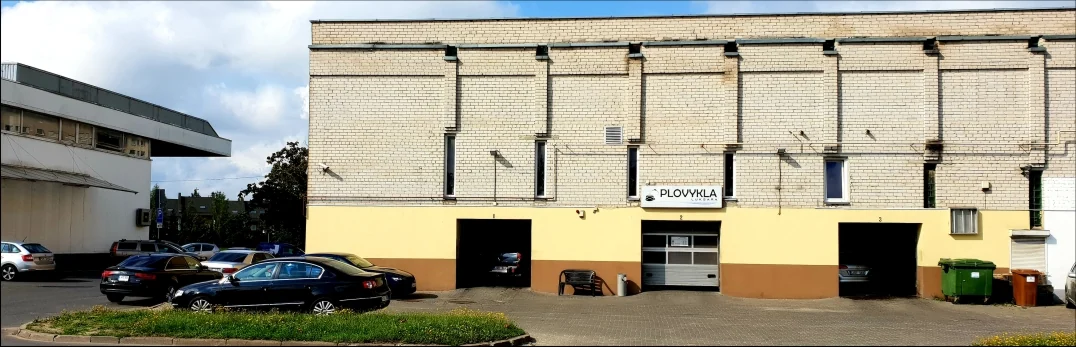 09
Vilnius · Ukmergės g. 315C, Vilnius
Reviews not provided
 10
Kaunas · Islandijos pl. 15, Kaunas
Reviews not provided
 11
Šiauliai · Tilžės g. 68, Šiauliai
Reviews not provided

Panevėžys · Pušaloto 213
Reviews not provided
 13
Kaunas · Verslo g. 39-1, Kaunas 52103
Reviews not provided
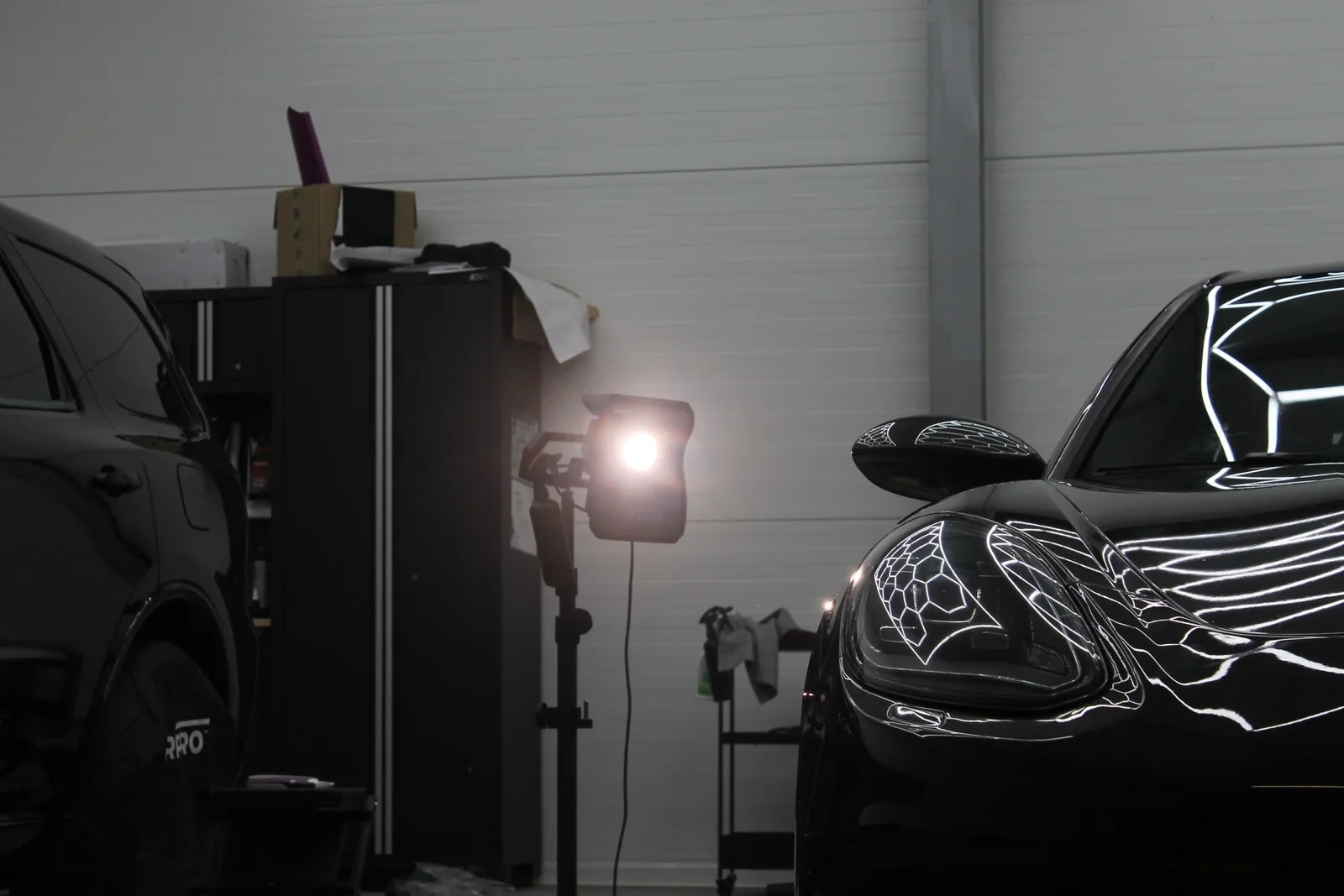 14
Kaunas · Taikos pr. 114-30, Kaunas 51158
Reviews not provided
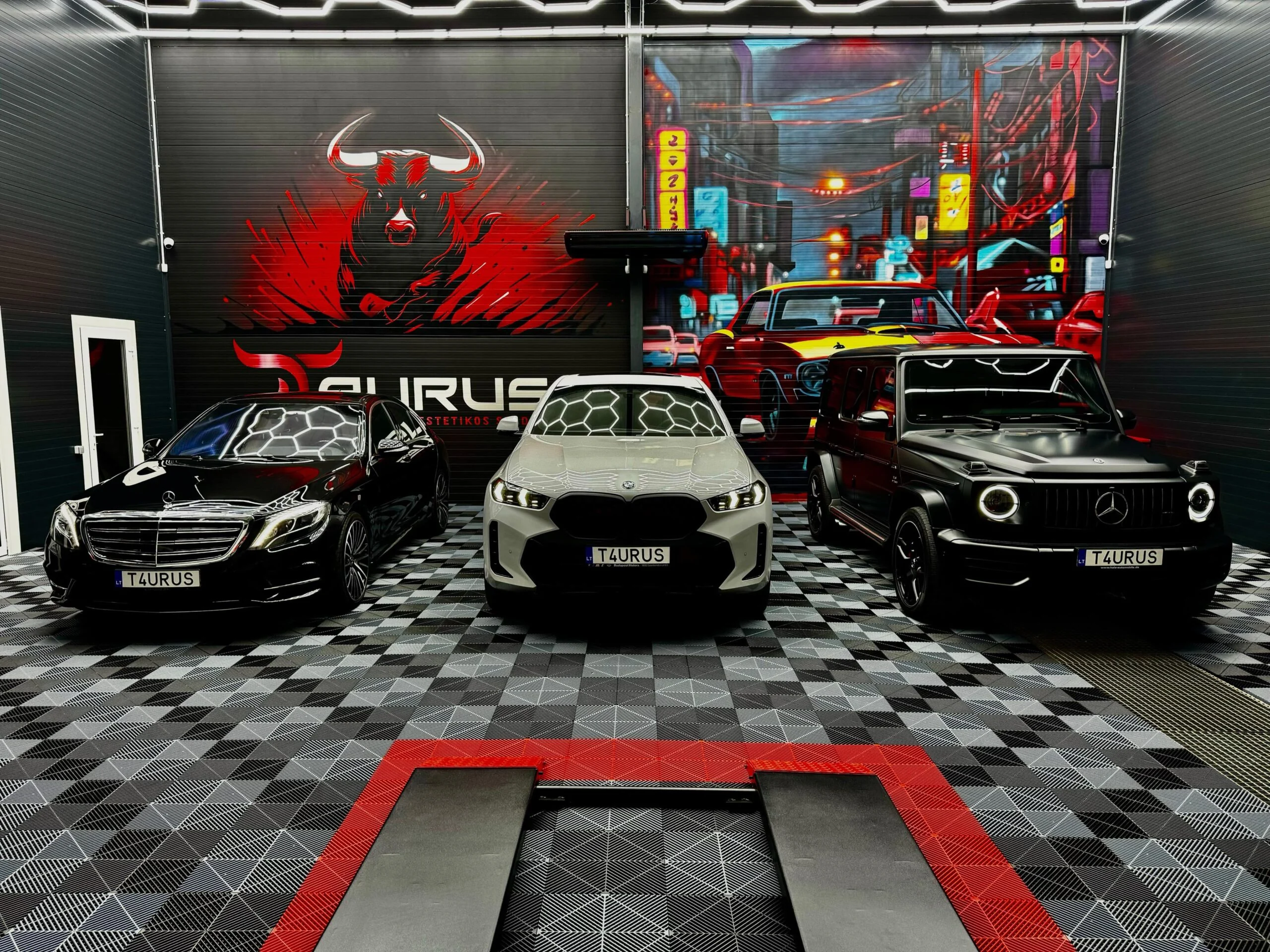 15
Klaipėda · Vėjo g. 149, Klaipėda
Reviews not provided
 16
Alytus · Gudalaukio g. 32, 62445 Alytus
Reviews not provided
Showing 16 of 16 studios
Confirm the scope of work, price and appointment time with your chosen studio.
Coating may suit a driver who wants easier care for a sound finish and is willing to follow washing recommendations. It does not hide deep scratches, remove corrosion or replace repairs. Water beading is one surface characteristic, rather than proof of every protective property or a warranty. Matte finishes and protective films need a compatible product agreed with the studio; a general paint-coating package is not automatically suitable.
Agree how the studio will wash the vehicle, remove contamination and assess the paint before coating. The need for polishing depends on the condition and finish you want; intensive correction is not an automatic requirement for every vehicle. Discuss the specific product’s preparation requirements, the surfaces included and final inspection. A higher layer count alone cannot establish whether preparation and application have been done correctly.
Wax and other protective products may fit a simpler maintenance plan. Ceramic coating has its own preparation, usage and maintenance conditions. For a physical barrier against stone impacts, discuss PPF; a ceramic coating does not replace it. Choose according to the problem you want to address and how you use the car, rather than expecting one product to prevent every kind of surface damage.
Ask for the product name, preparation steps and an explicit list of treated areas. Painted panels, glass, wheels and plastics may require different products or separate work. Agree collection timing and storage conditions after application. If a warranty or long service life is advertised, request its registration, inspection, maintenance and exclusion terms in writing. A number of years is not an identical promise for every vehicle.
Follow the particular product’s instructions for the first wash, water exposure and ongoing care. Remove contamination safely and avoid abrasive washing tools. Water spots and deposits can still occur on a coated car. If water behaviour changes, ask the studio to assess contamination and surface condition before assuming that the entire coating has disappeared. Continued care remains part of owning a coated vehicle.
It does not make paint scratch-proof or provide a physical barrier against stone impacts. Discuss PPF separately when mechanical protection is your main concern, including the limits of that film.
There is no single period for every car. Consider the particular product, usage, storage, preparation and maintenance. Ask the studio to connect durability claims to written conditions.
Proper preparation is essential, but the amount of polishing depends on inspection and your agreed finish. A coating package name alone does not justify unnecessary intensive correction.
Yes. A coating can make care easier, but does not remove road dirt or water deposits by itself. Safe, regular washing remains important.
Further reading: Gtechniq: ceramic coating capabilities and limitations