 01
Public directory listingDemo profile
3G Detailing
Vilnius · Kelininkų g. 3G, Nemėžis, Vilnius
Reviews not provided
Paint correctionInterior deep cleaning

Service guide
Interior deep cleaning is a more thorough clean using methods selected for each material. It can cover upholstery, carpets, leather and hard surfaces, but these do not all need the same treatment. An old stain, damaged material or the underlying source of an odour may remain after cleaning.
Find studios in LithuaniaCheck the scope, examples of similar work and collection arrangements with the studio. A booking request starts a conversation; the studio must confirm the service and time.
DETAILINGDESK STUDIOS
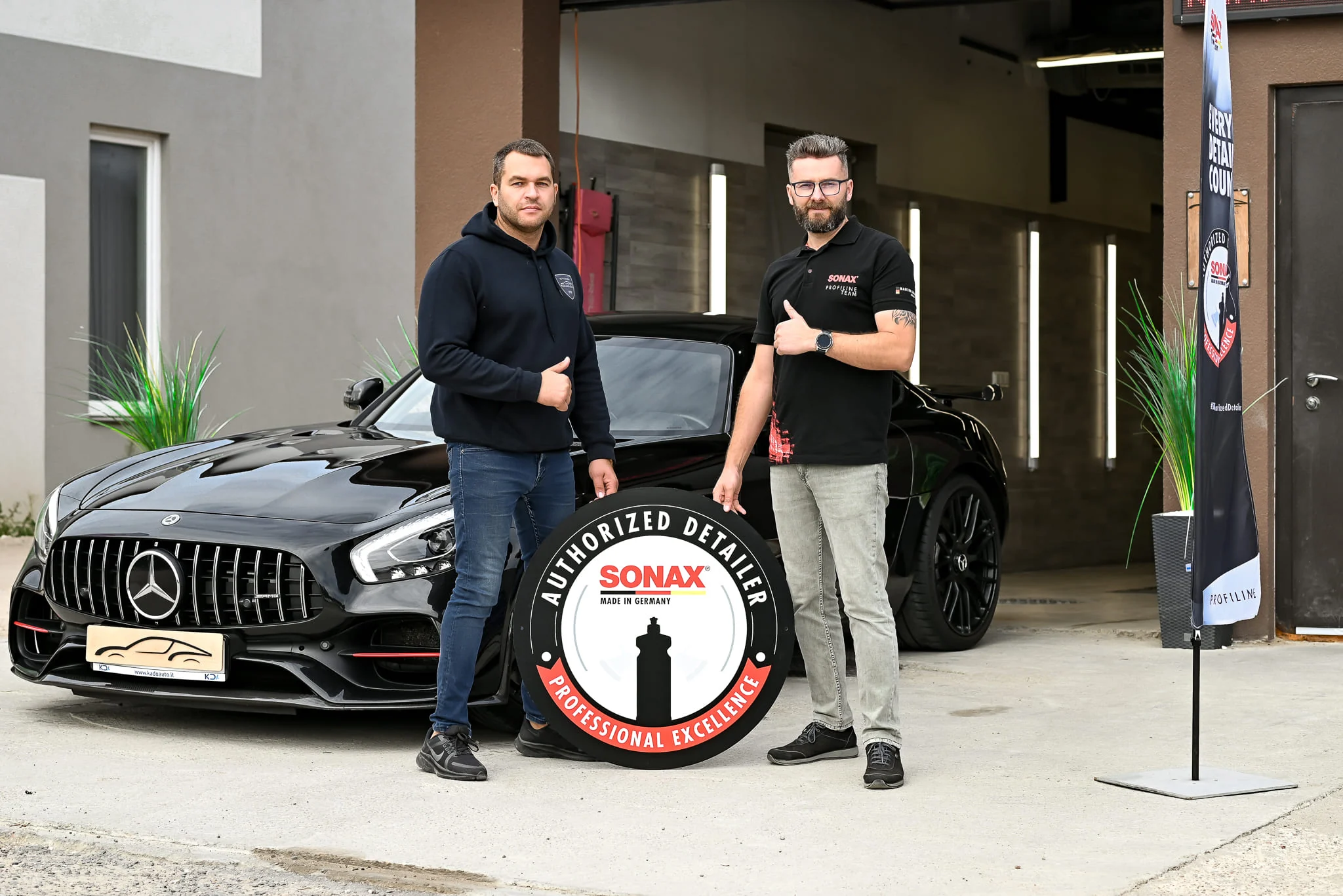
01Vilnius · Kelininkų g. 3G, Nemėžis, Vilnius
Reviews not provided
 02
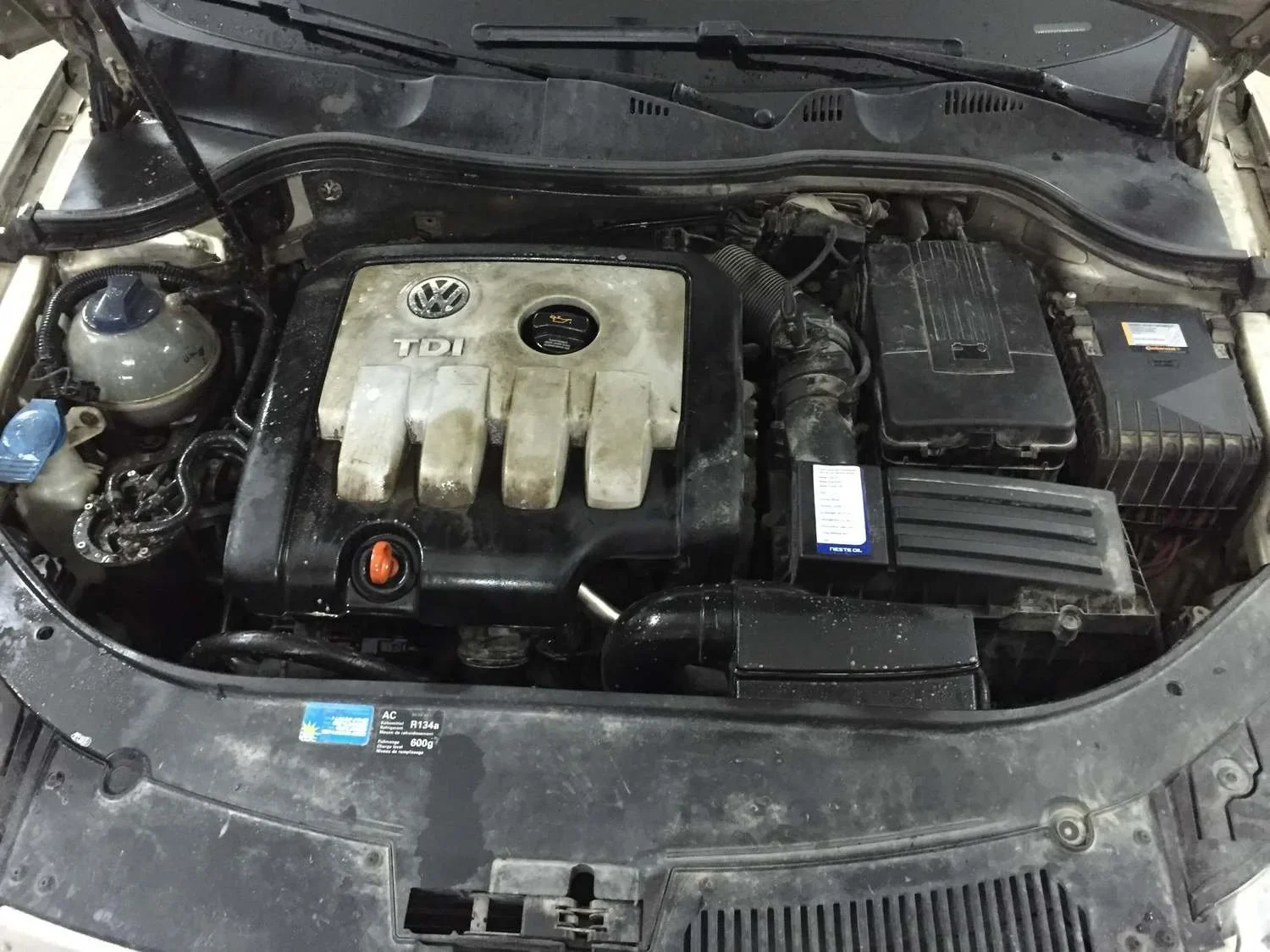
Vilnius · Varnės g. 2, Vilnius
Reviews not provided
 03
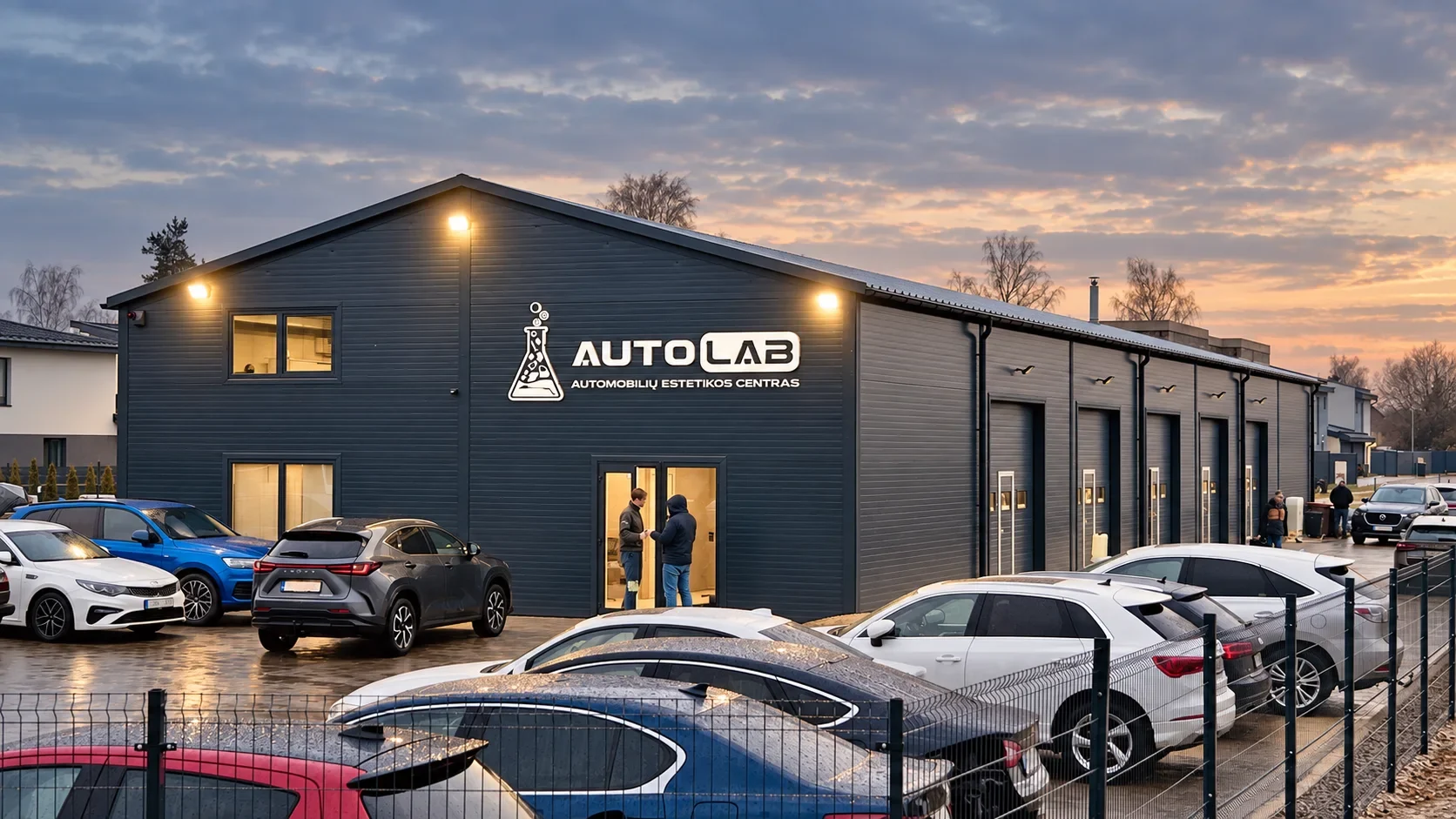
Telšiai · Kęstučio g. 20C, Telšiai
Reviews not provided
 04
Vilnius · Ožiarūčių g. 16, Avižieniai, Vilnius
Reviews not provided

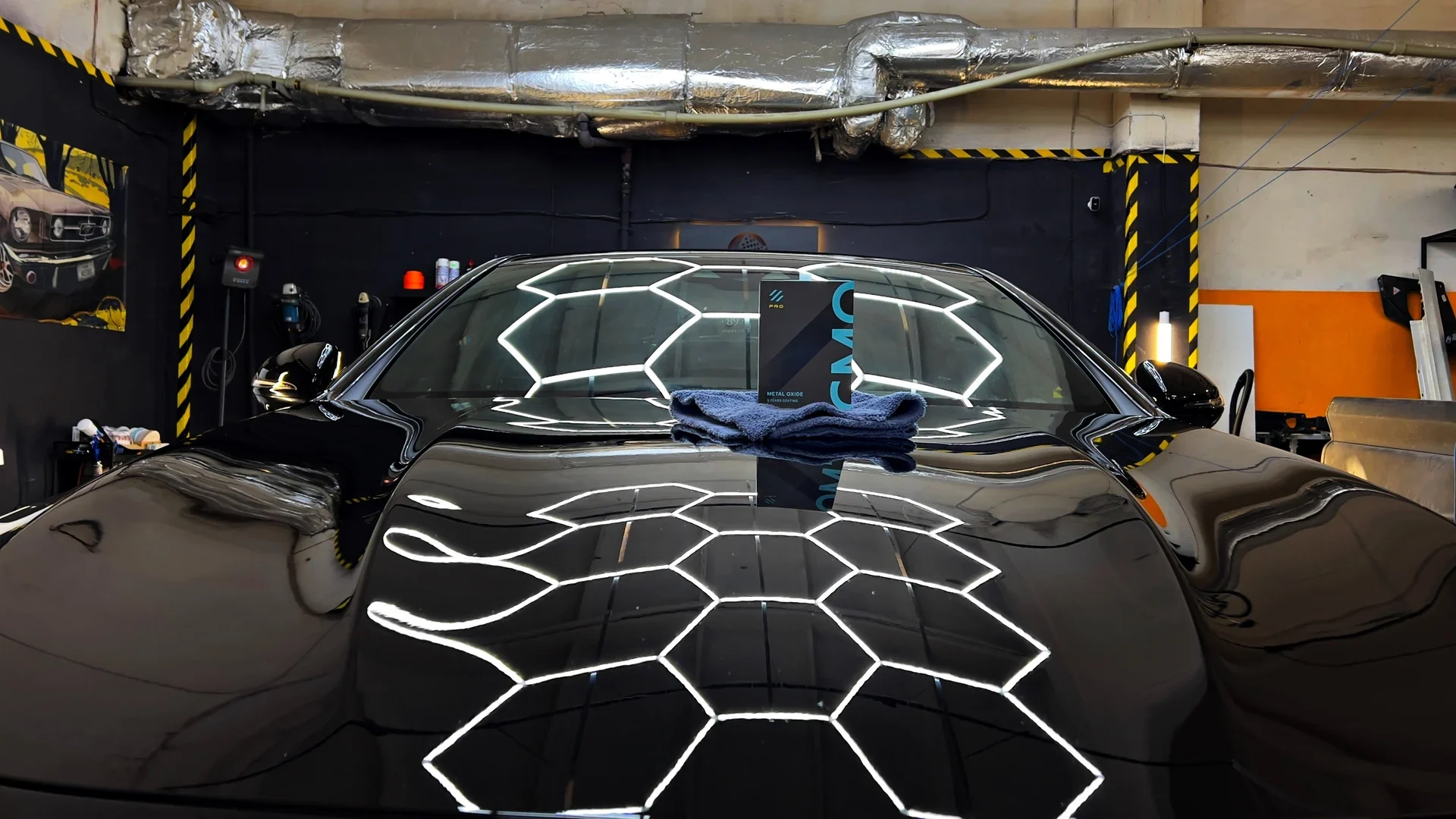
Telšiai · Nemuno g. 5, LT-87128 Telšiai
Reviews not provided
 06
Kaunas · Veiverių g. 134, Kaunas
Reviews not provided
 07
Panevėžys · J. Basanavičiaus g. 52A-107, LT-36207 Panevėžys
Reviews not provided
 08
Vilnius · Geologų g. 11, Vilnius 02190
Reviews not provided
 09
Vilnius · Platiniškių g. 6A, Vilnius, 06295
Reviews not provided
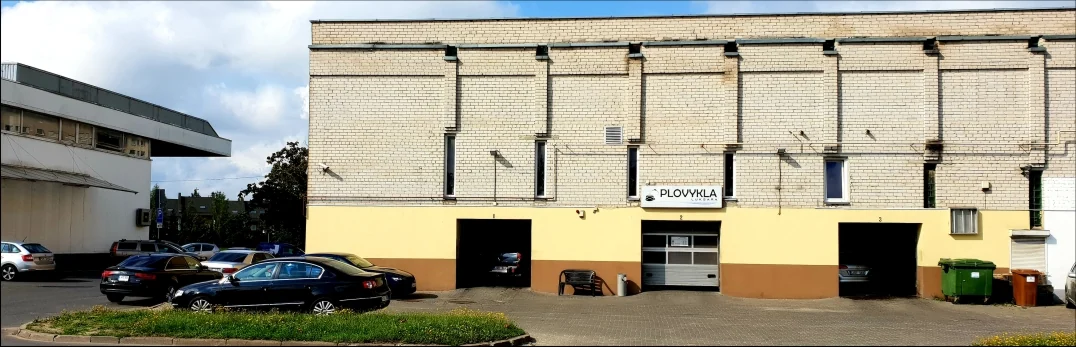 10
Vilnius · Ukmergės g. 315C, Vilnius
Reviews not provided
 11
Šiauliai · Tilžės g. 68, Šiauliai
Reviews not provided
Panevėžys · Pušaloto 213
Reviews not provided
 13
Klaipėda · Vėjo g. 149, Klaipėda
Reviews not provided
 14
Alytus · Gudalaukio g. 32, 62445 Alytus
Reviews not provided
Panevėžys · Meistrų g. 24c, 36101 Panevėžys
Reviews not provided
Showing 15 of 15 studios
Confirm the scope of work, price and appointment time with your chosen studio.
Discuss a deeper clean for embedded dirt, stains, pet hair or neglected areas. Routine upkeep may only need vacuuming and surface cleaning. If an odour comes from water ingress or another fault, its source needs to be identified first. Masking an odour does not resolve the cause. Tell the studio about persistent damp, signs of mould or spilled liquids before booking so it can assess an appropriate scope.
Seat fabric, leather, synthetic leather, suede-like materials and headlining require different approaches. Ask about identifying materials and testing in an inconspicuous area, especially where surfaces are dyed, worn or previously treated at home. Stronger chemicals or more water do not automatically produce a better clean. Moisture control matters around electronics and bonded surfaces. Let the studio select a material-compatible process rather than requesting one method for the entire cabin.
Vacuuming removes loose dirt; deep cleaning also addresses contamination attached to the material. Extraction, steam and other methods should be chosen for the surface rather than applied as a universal package. Fading, tears, worn leather colour and scratched plastic are restoration or repair concerns. Ask the studio to distinguish an expected cleaning improvement from any separate recolouring or restoration work. Cleaning cannot replace material that has worn away.
Remove personal items and valuables. Agree beforehand how child seats and other removable items will be handled. Point out stains and describe their origin if known, together with products already used on them. Compare whether headlining, the boot, seat gaps, pet hair removal and drying are included. Agree realistic limits: removal of a particular stain or odour should not be promised before its cause and the material have been assessed.
Before leaving the car, ask how it will be dried and when it can be used. Timing depends on the method, materials and conditions; there is no universal drying period for every interior. At collection, check slower-drying areas and ask for ventilation and maintenance instructions. Avoid leaving a damp interior closed for a prolonged period. If an odour returns, request an assessment of its source rather than repeatedly masking it with fragrance.
Not always. The origin and age of the stain, previous cleaning and material condition all matter. Lost material colour is not simply dirt that can be washed away.
Yes, with a process appropriate for that leather. Leather care differs from washing fabric, and a worn finish may need separate repair.
That cannot be promised without identifying its source. Persistent moisture, a spill or another unresolved source can cause the odour to return after surface cleaning.
Agree collection and use with the studio based on its process and drying conditions. Collection timing should account for drying, rather than only the end of active cleaning.
Further reading: Autoglym: material compatibility and pretesting